Quick Facts
- Category
- Nage-Waza
- Subcategory
- Ashi-Waza
- Difficulty
- Intermediate
- Belt Level
- 4th kyu, 3rd kyu
Ko-Soto-Gake is a small outer hooking throw that targets the back of uke's lower leg or heel from the outside. Unlike Ko-Soto-Gari which reaps the foot, Ko-Soto-Gake hooks (gake) the calf or heel and holds it, pressing forward with the upper body simultaneously to tip uke backward. The "hook and hold" rather than "reap and release" distinguishes it from Ko-Soto-Gari.
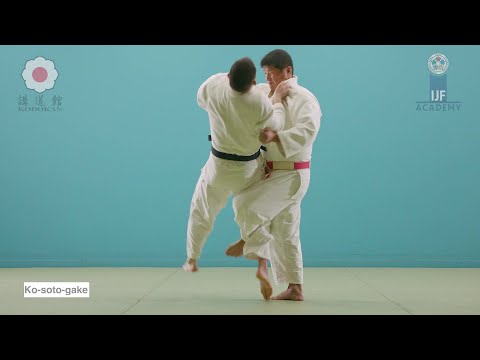
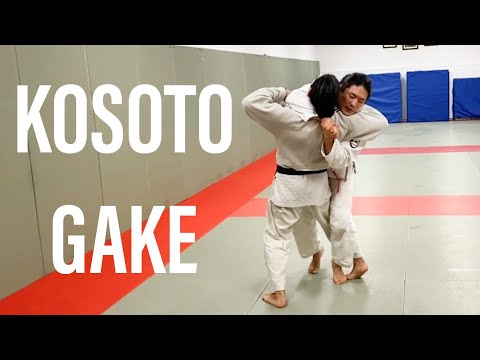
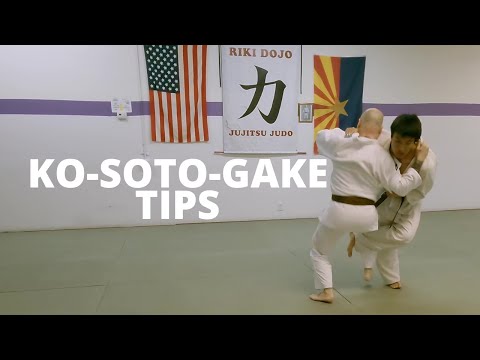
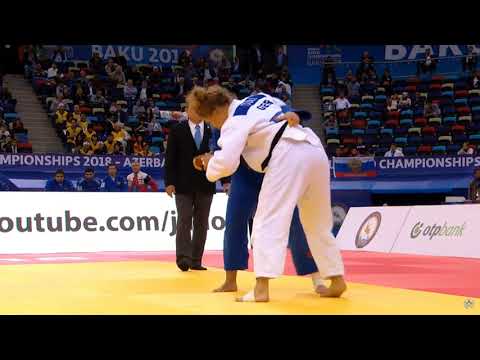
Ko-Soto-Gake — Step by Step
Push uke backward and onto their rear heel. The hands push uke's upper body backward — lapel and sleeve grips both push rather than pull. The goal is to get uke's weight loading onto the heel that will be hooked. A backward push or feint that draws uke's weight to their rear helps set up the technique.
Step to the outside of uke's right foot with your left foot, positioning yourself at uke's right side. Bend your right knee and hook your right leg behind uke's right lower leg — the back of your knee hooks against uke's calf or heel. Your upper body is against uke's side or slightly in front, ready to push.
Hook and hold uke's lower leg with your right leg — keeping the hook in place rather than sweeping through. Simultaneously push uke's upper body backward and over the hooked leg. Uke's leg is caught (hooked) while their upper body tips backward, dumping them to the mat.
- 1
Push uke backward
Use both grips to push uke's upper body backward. The goal is to shift uke's weight to their rear heel.
- 2
Step to the outside of uke's foot
Step your left foot to the outside and slightly behind uke's right foot, positioning your body at uke's right side.
- 3
Hook the back of the lower leg
Bend your right knee and hook it behind uke's right calf or heel. Your knee hooks from the back — the back of your knee catches uke's leg.
- 4
Hold the hook and push the upper body
Maintain the hook rather than sweeping through. Simultaneously push uke's upper body backward over the hooked leg.
- 5
Tip uke backward to the mat
Uke's leg is trapped by the hook while their upper body tips backward. They fall onto their back.
What Makes It Work
- The key distinction from Ko-Soto-Gari is "hook and hold" vs "reap and release." Ko-Soto-Gake maintains the hook contact throughout.
- The hook should be on the calf or behind the heel — not the ankle. The calf or heel hook allows the push force to tip uke backward effectively.
- The push force is as important as the hook. Without a strong upper-body push, uke simply has a hooked leg and can maintain balance.
- The backward kuzushi must be established before the hook. Hooking before uke's weight is backward simply catches their leg without tipping them.
What to Avoid
Sweeping the leg away (Ko-Soto-Gari mechanics)
In Ko-Soto-Gake, keep the leg hooked and fixed. The throw works by tipping uke backward over the stationary hook, not by reaping the leg away.
Hooking too low — at the ankle
The hook should be at the calf or heel. Ankle-level hooking is weaker and may hook the joint in a way that is dangerous.
Insufficient backward push
The upper body push must be strong and continuous. A weak push allows uke to post with their hands and resist.
Not establishing backward kuzushi first
The technique requires uke's weight to be backward before hooking. Push uke back before hooking — do not hook and then try to push.
Best Moments to Apply Ko-Soto-Gake
Ko-Soto-Gake is effective when uke is moving or retreating backward, putting weight on their rear foot. It works well as a counter when uke steps backward defensively. It can also be set up by feinting a forward throw to make uke retreat, then switching to Ko-Soto-Gake as they step back.
Combination Sequences
Follow up with