Quick Facts
- Category
- Katame-Waza
- Subcategory
- Kansetsu-Waza
- Difficulty
- Intermediate
- Belt Level
- 3rd kyu, 2nd kyu
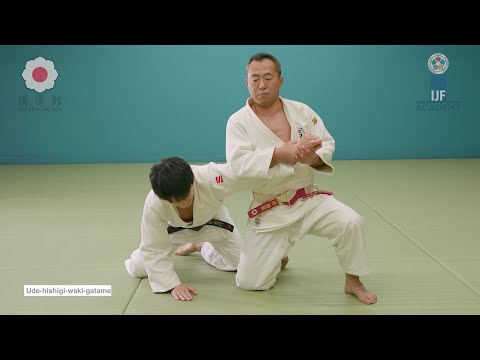
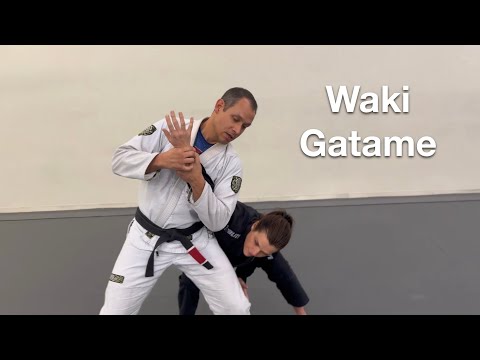
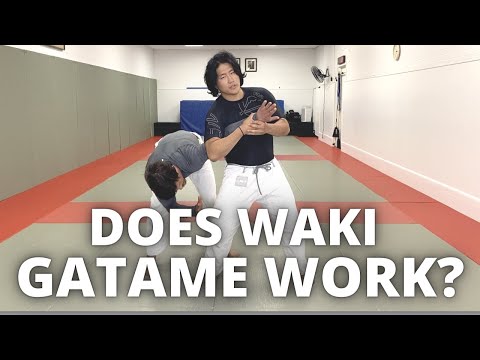
Waki-Gatame is an armlock that hyperextends uke's elbow by trapping uke's straightened arm under tori's armpit. Tori clamps the armpit over uke's upper arm and drives downward on the locked elbow. It can be applied both standing and on the ground, and is one of the few kansetsu-waza that has application in standing judo as well as ne-waza.
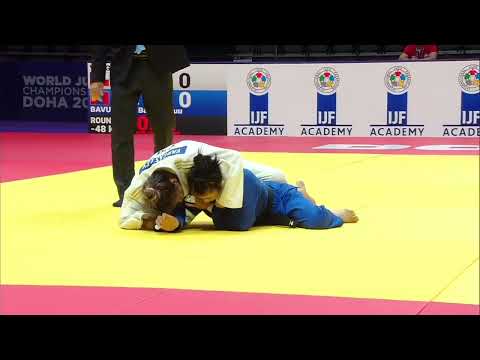
Waki-Gatame — Step by Step
In standing application: disrupts uke's balance through the arm control — pulling uke's arm and tipping them forward. In ne-waza: not a primary concern.
Trap uke's straight arm by clamping it under tori's armpit with the elbow pressed into the joint. The arm must be straightened for the lock to work.
Drive the clamped armpit downward against uke's elbow joint while the trapped forearm is pushed upward — creating hyperextension at the elbow.
- 1
Control uke's arm and straighten it
Grab uke's wrist or sleeve and pull the arm straight. A bent elbow cannot be locked — the arm must be fully extended.
- 2
Clamp the armpit over uke's upper arm
Drive your armpit down over uke's straightened arm just above the elbow. Your upper arm and body clamp uke's arm from above.
- 3
Secure uke's wrist or hand
Keep uke's hand controlled — pull it up toward your shoulder or chest to straighten the arm and prevent uke from bending it.
- 4
Drive downward on the elbow
Apply downward pressure through the armpit onto uke's elbow joint. Combined with the wrist pull, this hyperextends the elbow.
- 5
Maintain position and apply consistent pressure
Hold the lock firmly. In standing application, apply enough pressure to force a submission or take uke down. In ne-waza, increase pressure until submission.
What Makes It Work
- The arm must be fully straightened. Any bend in the elbow means no hyperextension pressure exists.
- The armpit clamp must be over the upper arm just proximal to the elbow — too far up the arm is ineffective.
- Waki-Gatame has standing application — it can be applied during grip fighting when tori controls uke's arm and has an opportunity to clamp.
- Control of the wrist and the armpit pressure must work together — losing wrist control allows uke to bend the elbow and escape.
What to Avoid
Elbow not fully extended before clamping
Pull the arm straight before clamping. If the elbow is bent, re-straighten it by pulling the wrist or sleeve.
Armpit positioned on the shoulder instead of upper arm
The clamp should be on the upper arm, just above the elbow. Clamping on the shoulder has no joint-lock leverage.
Not controlling the wrist
Secure the wrist at all times. A free wrist allows uke to rotate their arm or bend the elbow to escape.
In standing application — leaning too far forward
Maintain your own balance while applying the lock. Leaning excessively forward makes you vulnerable to being thrown.
Best Moments to Apply Waki-Gatame
Waki-Gatame is applied opportunistically — when uke's arm is straight and accessible for the armpit clamp. In standing, it arises during grip fighting when tori can trap the arm. In ne-waza, it appears in scrambles and transitions when the elbow presents. It is one of the few kansetsu-waza with meaningful standing application.