
Quick Facts
- Category
- Katame-Waza
- Subcategory
- Osaekomi-Waza
- Difficulty
- Intermediate
- Belt Level
- 3rd kyu, 2nd kyu
Uki-Gatame is a hold-down where tori kneels on or beside uke and uses upper body pressure to hold them down without the traditional low, spread-leg base. The "floating" quality refers to tori's lighter, more mobile position compared to ground-based holds. It provides a hold-down while allowing tori to transition more readily to submissions or other positions.
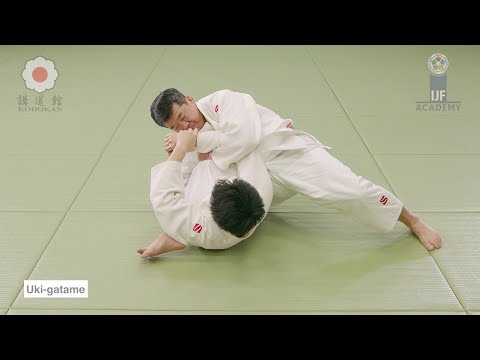
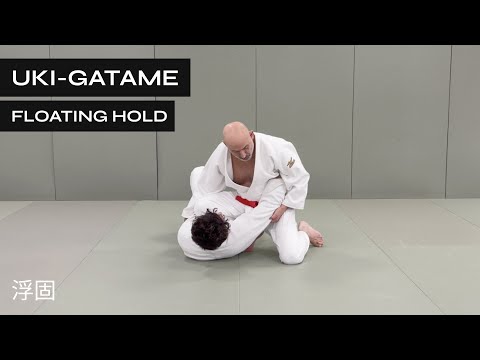
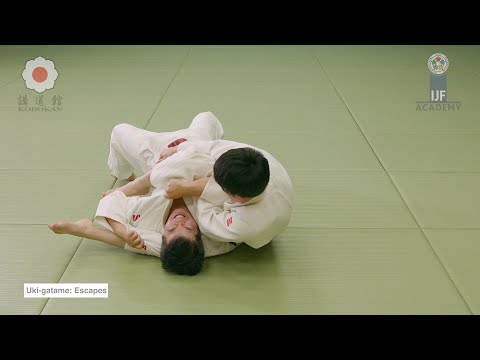
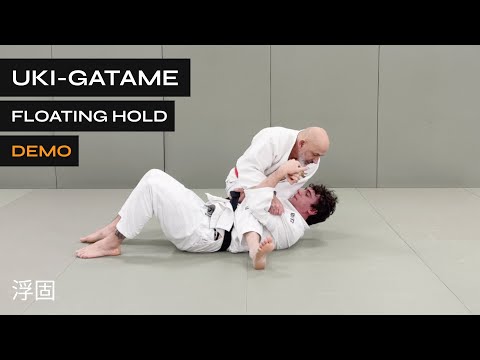
Uki-Gatame — Step by Step
- 1
Establish position beside or straddling uke
Position yourself alongside uke or in a kneeling position over their chest area.
- 2
Apply upper body pressure to uke's chest
Drive your chest or body weight downward onto uke's chest or upper torso. The weight pressure is your primary holding force.
- 3
Control uke's arms
Pin one or both of uke's arms to prevent them from pushing or escaping. Knee pressure on an arm is effective.
- 4
Maintain the "floating" position
Unlike spread-leg holds, Uki-Gatame allows more mobility. Maintain position without deeply planting your legs — stay mobile.
- 5
Be ready to transition
Uki-Gatame's mobility advantage means you can flow into armlocks or chokes as opportunities arise.
What Makes It Work
- The "floating" quality means tori is mobile — ready to transition, not just holding. Use this mobility.
- Upper body pressure is the primary control mechanism. Drive your weight onto uke's chest.
- Arm control is important — pin uke's arms to limit their escape options.
- Uki-Gatame scores as a valid osaekomi in IJF competition if maintained for the required time.
What to Avoid
Being too "floating" — not applying enough pressure
The hold must still have sufficient body weight pressure. Too light and uke simply rolls out. Balance mobility with weight application.
Not controlling uke's arms
Pin uke's near arm with your knee or body. Uncontrolled arms allow uke to push or create escape space.
Being pulled into guard position
Be aware of uke's guard — do not allow uke to pull your hips into their closed guard while in Uki-Gatame.
Not using the mobility advantage
Uki-Gatame's value is in its mobility. If you are simply holding statically, a lower, more stable hold is preferable.
Best Moments to Apply Uki-Gatame
Uki-Gatame arises naturally when tori lands in a more upright position after a throw, particularly from throws where tori ends up kneeling over uke. It is used when quick follow-up transitions are planned — armlocks, chokes, or transitions to other pins are accessible from this position.