Quick Facts
- Category
- Katame-Waza
- Subcategory
- Osaekomi-Waza
- Difficulty
- Intermediate
- Belt Level
- 4th kyu, 3rd kyu, 2nd kyu
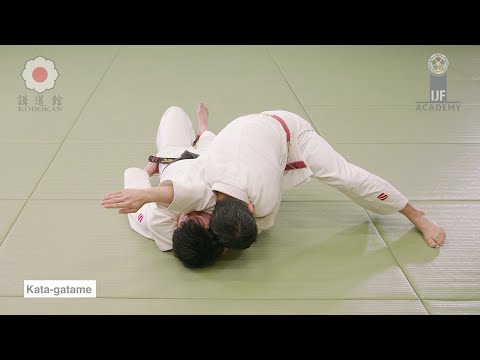
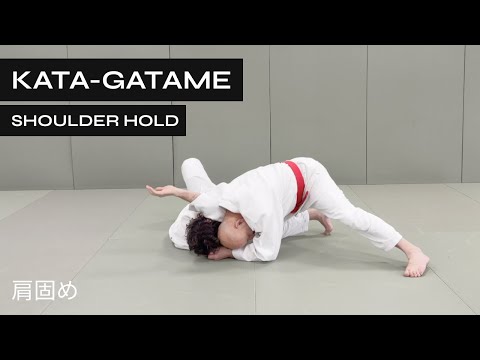
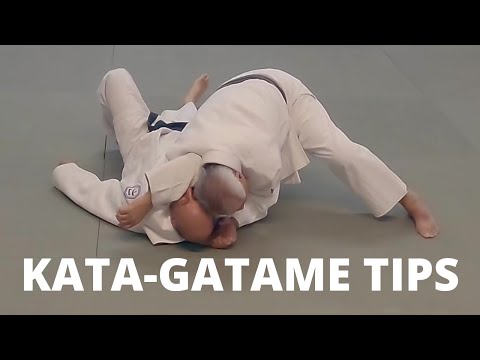
Kata-Gatame is a pin in which tori traps uke's arm and head simultaneously — uke's own arm is used against them as a compression element in the hold. Tori positions themselves beside uke and traps uke's near arm between their own head and chest, while wrapping the other arm around uke's head. The trapped arm creates pressure on uke's neck, making Kata-Gatame function simultaneously as a hold-down and a potential arm-against-neck choke (if the arm presses into the carotid region).
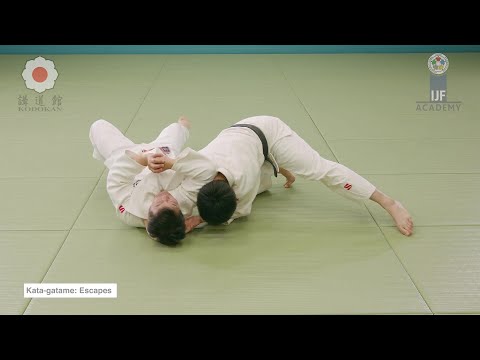
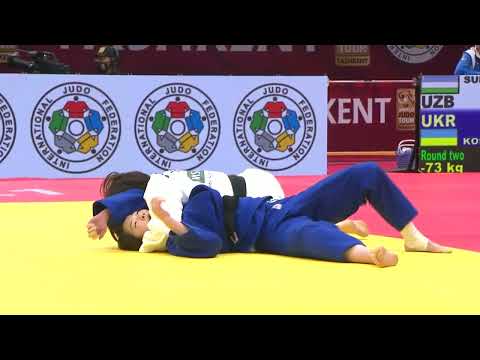
Kata-Gatame — Step by Step
Control uke's near arm by pulling it across their own body so that it lies between your head and their neck. The arm must be pulled high — across the throat level. Prevent uke from withdrawing the arm by clamping it with your head and shoulder.
Lie on your side beside uke, pressing your body against theirs. Grip uke's head with your arm wrapped around it from the other side. Simultaneously press uke's near arm across their own neck with your head and shoulder — clamp your head against uke's forearm/wrist, trapping the arm.
Clasp your hands together or grip deeply to lock the hold. Press your head down onto uke's trapped arm, pushing the arm into uke's neck. Your body weight presses against uke's upper body. Uke is held flat by the combined pressure of trapped arm and head control.
- 1
Gain side control beside uke
Position yourself on uke's right side, pressing your body against their upper chest and shoulder region.
- 2
Pull uke's right arm across their body
Grip uke's right wrist or sleeve and pull their arm across their own body so the forearm lies across their throat region.
- 3
Trap the arm with your head
Press your head down onto uke's trapped forearm. Your chin or temple pins uke's arm against their own neck.
- 4
Wrap the other arm around uke's head
Reach your right arm under uke's head and around to meet your left arm. Clasp your hands together to lock the hold.
- 5
Apply pressure and maintain
Drive your head down, pressing uke's arm into their neck. Keep your body weight low and pressed against uke. Hold for the required time.
What Makes It Work
- Uke's own arm does a significant portion of the work — the higher it is pulled across their neck, the more choking pressure it creates.
- Your head must be pressed firmly down onto uke's arm — lifting your head releases the arm trap.
- Clasping hands creates a rigid frame that locks uke's head and arm together.
- Keep body weight low and pressed against uke's shoulder — a high body position reduces the hold's effectiveness.
What to Avoid
Arm trapped too low (across the chest, not the neck)
Pull uke's arm high — the forearm should be across the throat/neck area. Too low creates a chest hold rather than a neck-pressure hold.
Head not pressing on the trapped arm
Your head must actively press down on uke's arm. Lift your head slightly and the arm escape is easy.
Body positioned too far from uke
Press your chest and shoulder firmly against uke's shoulder. Space between bodies allows uke to create leverage to escape.
Hands not clasped or gripped
Without clasped hands, the hold lacks rigidity. Clasp your hands or grip uke's collar/body on the far side to close the frame.
Best Moments to Apply Kata-Gatame
Kata-Gatame occurs naturally when uke places an arm up to push you away or block — the arm is captured and the hold applied immediately. It transitions well from Kesa-Gatame when uke tries to extract their arm. It is also a strong finishing position after a rolling armlock attempt is defended by uke pulling their arm back.